
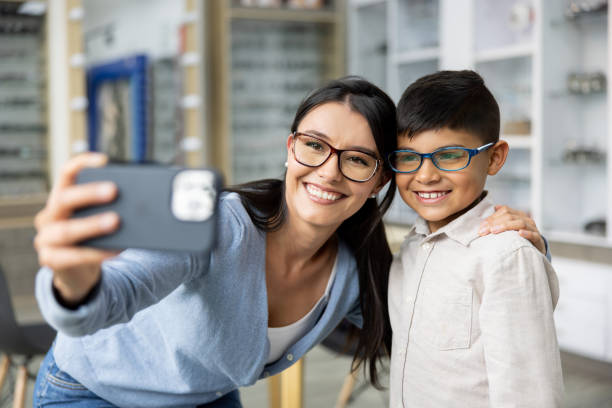
A child’s first eye exam sets the tone for how they feel about eye care in the future. When children feel unsure or anxious, they may resist instructions, rush through tasks, or disengage altogether.
For parents, preparing your children properly beforehand helps the visit run more smoothly and allows the eye specialist to obtain more accurate results.
This guide focuses on practical tips for parents to help their child approach their very first kids’ eye check-up calmly and practically.
Key Highlights
- Preparing children early helps reduce anxiety and improve cooperation during the eye exam.
- Honest and age-appropriate explanations build trust and engagement between parent and child.
- Addressing common fears before the appointment prevents unnecessary stress.
- Timing and parental tone influence how smoothly the eye exam proceeds.
- A calm and mindful approach supports more accurate eye assessments.
Explain the Visit in Simple, Honest Terms
Children cope better when they understand what will happen and feel included rather than being spoken over.
Avoid vague explanations, such as saying “We’re just going to the doctor,” or offering reassurance that downplays the visit. Children are often quick to sense when adults are being evasive, which can increase anxiety instead of reducing it.
Use clear, age-appropriate language and involve your child in the idea of the visit.
- For younger children, explain that they will be asked to look at pictures, shapes, or lights and take part in simple activities.
- For older children, you can describe that they will read letters or point to symbols and that their role is to help the doctor understand how their eyes see.
The goal is to build familiarity and trust. When children feel they are part of the process and that information is being shared honestly, they are more likely to cooperate and stay engaged during the exam.
Address Common Fears Before They Surface
Many children feel anxious about eye exams, not because of the exam itself, but because of what they imagine might happen. These worries are often unspoken and shaped by past experiences, stories from others, or assumptions about medical settings.
Common fears to address include:
- Pain or injections
- Children often associate medical visits with needles or painful procedures.
- It helps to explain clearly that eye exams do not involve injections, cutting, or anything that hurts.
- Eye drops or objects close to the eyes
- The idea of something coming near the eye can feel frightening.
- Let your child know that drops or instruments are safe, brief, and that the doctor will always explain before doing anything.
- Unfamiliar equipment
- Large machines or bright lights can look intimidating.
- Reassure your child that the equipment is simply used for looking, pointing, or following instructions, not for touching or causing discomfort.
- Fear of hospitals or medical environments
- Some children assume all doctors work in hospitals, which may be associated with illness or emergencies.
- Clarify that an eye clinic is different and focused on checking how their eyes see, not treating sickness.
When conveyed thoughtfully and honestly, this reassurance helps children feel secure, which goes a long way toward minimising anxiety on the day of the visit.
Choose the Right Time and Avoid Rushing
Scheduling the appointment when your child is well-rested and alert can make a noticeable difference in how they respond during the exam.
Avoid booking appointments during these periods:
- Nap times
- After a long school day
- When your child is already tired or hungry
During these periods, children are more prone to irritability, reduced attention, and poor cooperation. Fatigue can affect their ability to focus on instructions, respond accurately to visual tasks, or stay engaged long enough for the specialist to complete the assessment properly.
Arriving early also matters. Rushing into the clinic can increase anxiety and make children feel unsettled before the exam even begins. Taking a few calm minutes to settle in helps your child feel more comfortable and improves the overall quality of the examination.
Bring Items That Provide Comfort and Context
Bringing a familiar item can help younger children feel at ease while waiting for their appointment.
Some items also serve a practical purpose during the assessment. For example, a favourite book or school reading material allows the eye specialist to observe how your child engages with text at a normal working distance instead of an artificial testing setting.
Comfort items should be used for reassurance and not as a distraction. Children still need to stay engaged during the exam itself.
For school-aged children, bringing their current glasses, if any, or school feedback related to vision can help the specialist better understand their situation.
These details help place test results in context. They allow the specialist to understand not just how your child performs in the clinic, but how their vision functions in daily learning environments.
Be Mindful of Language and Expectations
Children are highly sensitive to tone and intent, not just words. They also mirror their parents’ emotions, picking up on worry, urgency, or tension even when reassurance is verbalised.
Discussing test results, costs, or procedures in front of them can unintentionally signal that something is wrong or risky, increasing anxiety before the exam begins.
Children may also feel pressure to perform if they believe an eye exam has “right” or “wrong” answers. It helps to explain that an eye exam is not an “exam” in the usual sense, but a series of simple activities that help the specialist understand how their eyes see and work together.
Let your child know they can take their time, respond honestly, and that there is no expectation to get correct answers.
A mindful approach to both language and expectations allows children to stay relaxed and engaged, supporting smoother cooperation and more reliable test results.
A Calm Start Leads to a Better Experience
Preparing your child for their first eye exam is less about information and more about reassurance, timing, and tone.
Small steps taken before the visit can reduce anxiety, improve cooperation, and help the eye specialist carry out a more accurate assessment.
If you are planning your child’s first eye exam, schedule an appointment with VISTA Eye Specialist today for a supportive and child-friendly experience from the start.