
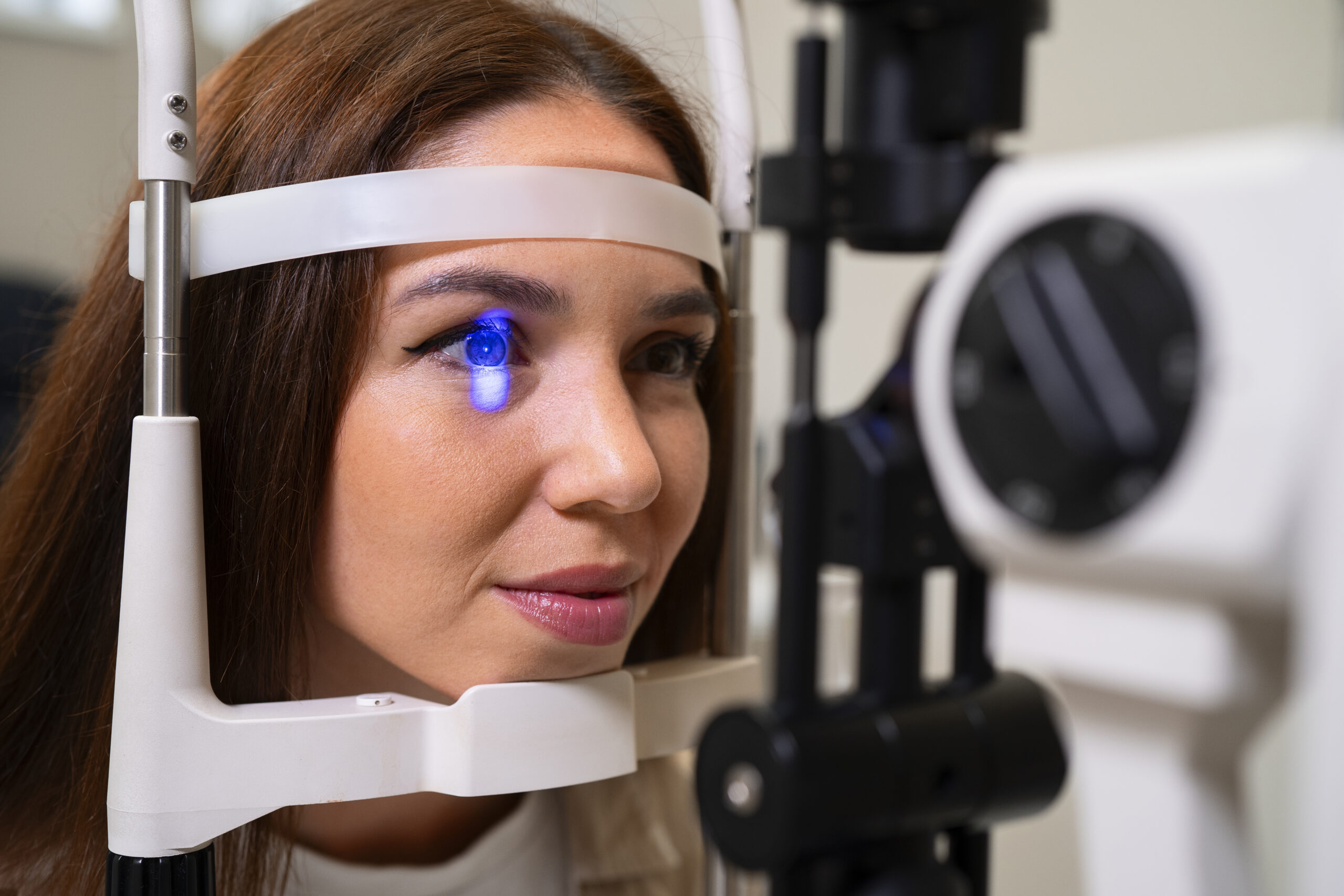
Laser eye surgery is often marketed as a long-term solution for clear vision, but many patients still ask an important question: how long do the results actually last?
The answer is not simply a fixed number of years. While procedures like LASIK and CLEAR Pro are designed to provide long-term vision correction, the longevity of the results depends on factors such as eye health, age-related changes, prescription stability, and each individual’s healing response.
This article explains how laser eye surgery results evolve over time and what patients can realistically expect.
Key Points
- Laser eye surgery provides long-term correction of refractive errors by permanently reshaping the cornea
- Most patients enjoy stable vision for many years after treatment
- Natural age-related changes can still affect vision over time
- A small number of patients may experience minor regression or require an enhancement procedure.
- Proper candidate selection and thorough pre-operative assessment contribute to long-term stability
How Laser Eye Surgery Works Long-Term?
Laser eye surgery reshapes the cornea to correct refractive errors such as:
- Short-sightedness (myopia)
- Long-sightedness (hyperopia)
- Astigmatism
Once the cornea is reshaped, the structural change is permanent. The treated corneal tissue does not return to its previous shape.
However, the quality of vision over the years depends not only on the corneal correction but also on how the rest of the eye changes naturally with age and overall eye health.
What Happens to Vision After Surgery?
1. Immediate Post-Surgery Phase
During the first few days after surgery:
- Vision usually improves rapidly
- Mild fluctuation in vision is normal
- Dry eye symptoms, halos, glare, or mild visual disturbances may occur during the early healing period
This is a normal stage of recovery while the cornea heals and vision stabilises .
2. Stabilisation Phase (Weeks to Months)
Over the next few weeks:
- Corneal healing becomes more stable
- Vision becomes clearer and more consistent
- Dry eye symptoms usually reduce
- Visual quality continues to stabilise.
Most patients achieve stable visual outcomes within 1 to 3 months, although healing varies from person to person.
3. Long-Term Phase (Years After Surgery)
Once fully healed:
- Vision remains stable in most patients
- The corneal correction remains intact
- Natural ageing and overall eye health become the main factors influencing future vision changes
This is where realistic long-term expectations become important.
How Long Do Results Actually Last?
Laser eye surgery does not “expire.” The corneal reshaping performed during surgery is permanent.
However, visual clarity over time can be influenced by natural changes in the eye.
Typical outcomes:
- Many patients maintain clear vision for 10–20 years or longer
- Some may experience minor prescription changes over time
- A small percentage may require enhancement procedures if significant regression occurs and they remain suitable candidates
The longevity of results depends less on the surgery itself and more on how the eyes naturally change throughout life.
Factors That Affect Long-Term Results
1. Age-Related Eye Changes
Even after successful laser eye surgery, the eye continues to age.
Common age-related changes include:
- Presbyopia (difficulty focusing on near objects after age 40)
- Cataract development in older age
- Natural changes in the eye’s crystalline lens over time
These changes occur regardless of whether a person has undergone laser eye surgery and are unrelated to the corneal correction itself.
2. Prescription Stability Before Surgery
Patients with stable prescriptions before surgery generally experience:
- More predictable long-term outcomes
- Lower risk of regression
- Better long-term visual stability
For this reason, surgeons typically recommend that prescriptions remain stable before proceeding with laser vision correction.
3. Degree of Vision Correction
Patients requiring treatment for higher levels of refractive errors may have:
- Slightly higher risk of minor regression over time in some cases
- Greater reliance on corneal reshaping depth
- More variability in long-term adaptation
Modern laser technology and careful surgical planning have significantly improved treatment accuracy and long-term outcomes, even for higher prescriptions.
4. Healing Response
Each patient heals differently.
Factors that may influence long-term visual outcomes include:
- Corneal healing characteristics
- Tear film stability
- Individual biological healing response
These influence how quickly and how smoothly vision stabilises.
Can Vision “Wear Off” After Laser Eye Surgery?
The surgery itself does not reverse.
However, vision changes over time can occur due to:
- Natural eye aging
- Hormonal changes
- Development of unrelated eye conditions
- Minor refractive regression in a small percentage of cases
This is why some patients may require enhancement procedures years after their original surgery, although many continue to enjoy good vision without further treatment.
Enhancement Procedures: Do They Mean Failure?
Not necessarily.
An enhancement procedure is:
- A secondary laser treatment performed to fine-tune vision if clinically appropriate
- Considered only when vision changes significantly and sufficient corneal tissue remains
- Not required for most patients
Enhancements are relatively uncommon and depend on individual long-term outcomes.
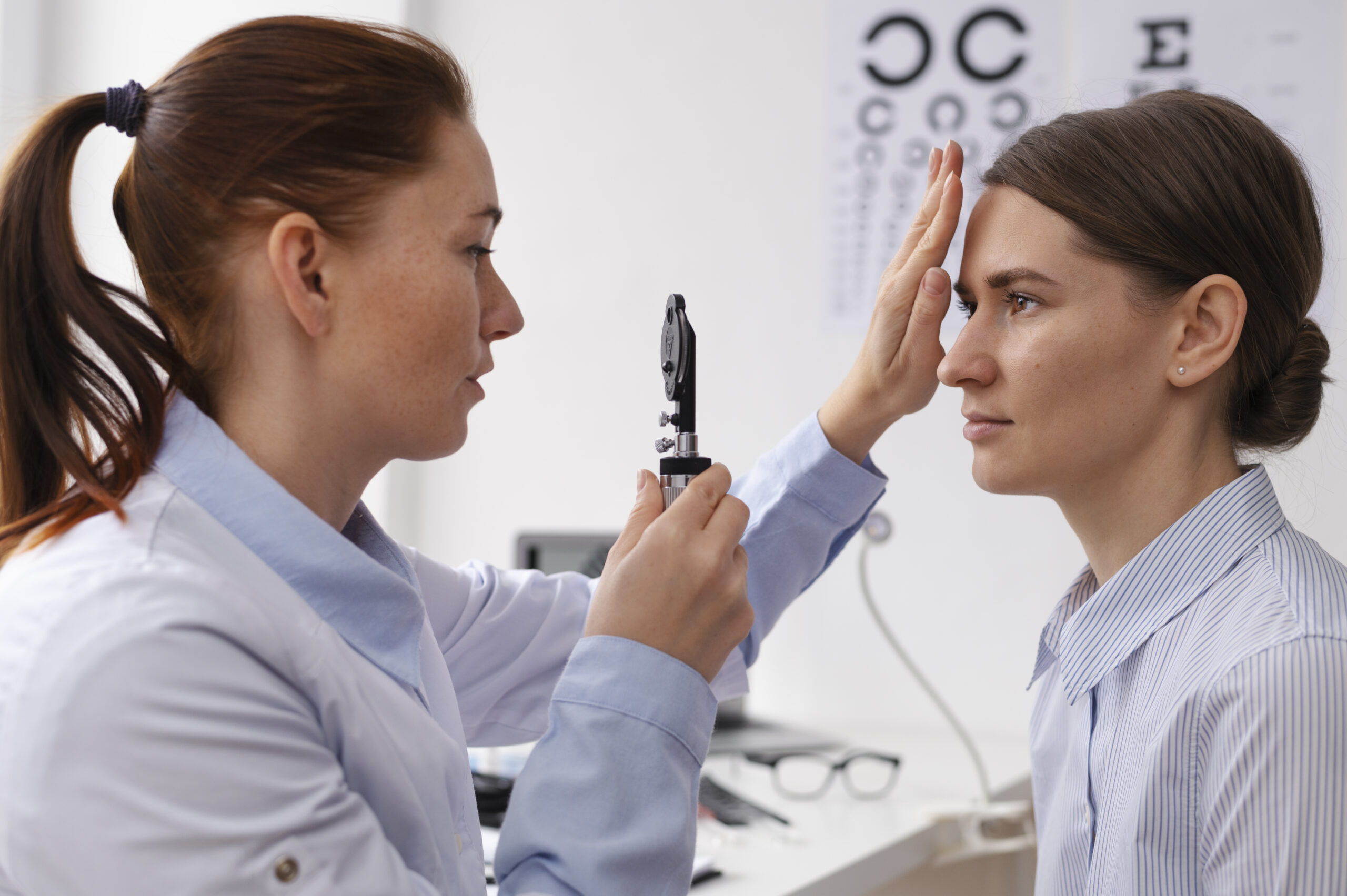
LASIK vs CLEAR Pro: Long-Term Stability
LASIK
- Strong long-term visual stability for most patients
- Extensive long-term clinical evidence
- Temporary dry eye symptoms are more common during early recovery due to flap creation
- Well-established treatment for a wide range of refractive errors
CLEAR Pro
- Excellent long-term visual stability
- Strong long-term clinical evidence with growing follow-up data
- Small-incision technique preserves more corneal nerves, which may contribute to fewer dry eye symptoms during recovery
- Flapless procedure that preserves more of the anterior corneal structure while providing stable long-term outcomes
Both are considered safe and effective long-term solutions when patients are carefully selected and appropriately assessed before surgery.
What Patients Should Expect Over Time?
Realistic long-term expectations include:
- Stable distance vision for many years
- Possible need for reading glasses with age (normal aging process)
- Minor fluctuations in some cases
- Excellent reduction in dependency on glasses or contacts
Laser eye surgery improves refractive error but does not stop the natural aging process of the development of other eye conditions.
How to Maintain Long-Term Vision Quality?
While surgery results are permanent, eye care still matters.
Helpful practices include:
- Regular eye check-ups
- Managing dry eye symptoms if present
- Protecting eyes from excessive UV exposure
- Maintaining good general health (especially blood sugar control)
- Following post-surgery care instructions provided by your eye surgeon
These help preserve overall visual comfort and clarity.
Final Thoughts
Laser eye surgery provides long-term correction of refractive errors by permanently reshaping the cornea. For most patients, results remain stable for many years, often decades.
While the corneal correction itself is permanent, vision can still change over time because of natural ageing, changes in the eye’s lens, or the development of unrelated eye conditions. Understanding these normal changes helps patients maintain realistic expectations and appreciate that laser eye surgery does not prevent the eyes from ageing.
With appropriate patient selection, modern surgical techniques, and regular eye care, both LASIK and CLEAR Pro continue to provide excellent long-term visual outcomes for the vast majority of patients.
Patients considering laser vision correction or those who wish to better understand the long-term outlook after surgery should undergo a comprehensive assessment with an ophthalmologist. At VISTA Eye Specialist, doctors such as Dr. Alan Koh Kok Khiang, Chief Consultant Ophthalmologist, evaluate important factors including prescription stability, corneal thickness, corneal shape, tear film quality, and overall eye health to determine suitability for LASIK or CLEAR Pro. They also provide personalised counselling on expected long-term outcomes, age-related vision changes, and post-operative follow-up to help patients achieve and maintain the best possible visual results.
If you are considering LASIK or CLEAR Pro and would like to find out which procedure is most suitable for your eyes, book a comprehensive eye assessment at VISTA Eye Specialist to receive a personalized evaluation and professional advice based on your vision needs.