
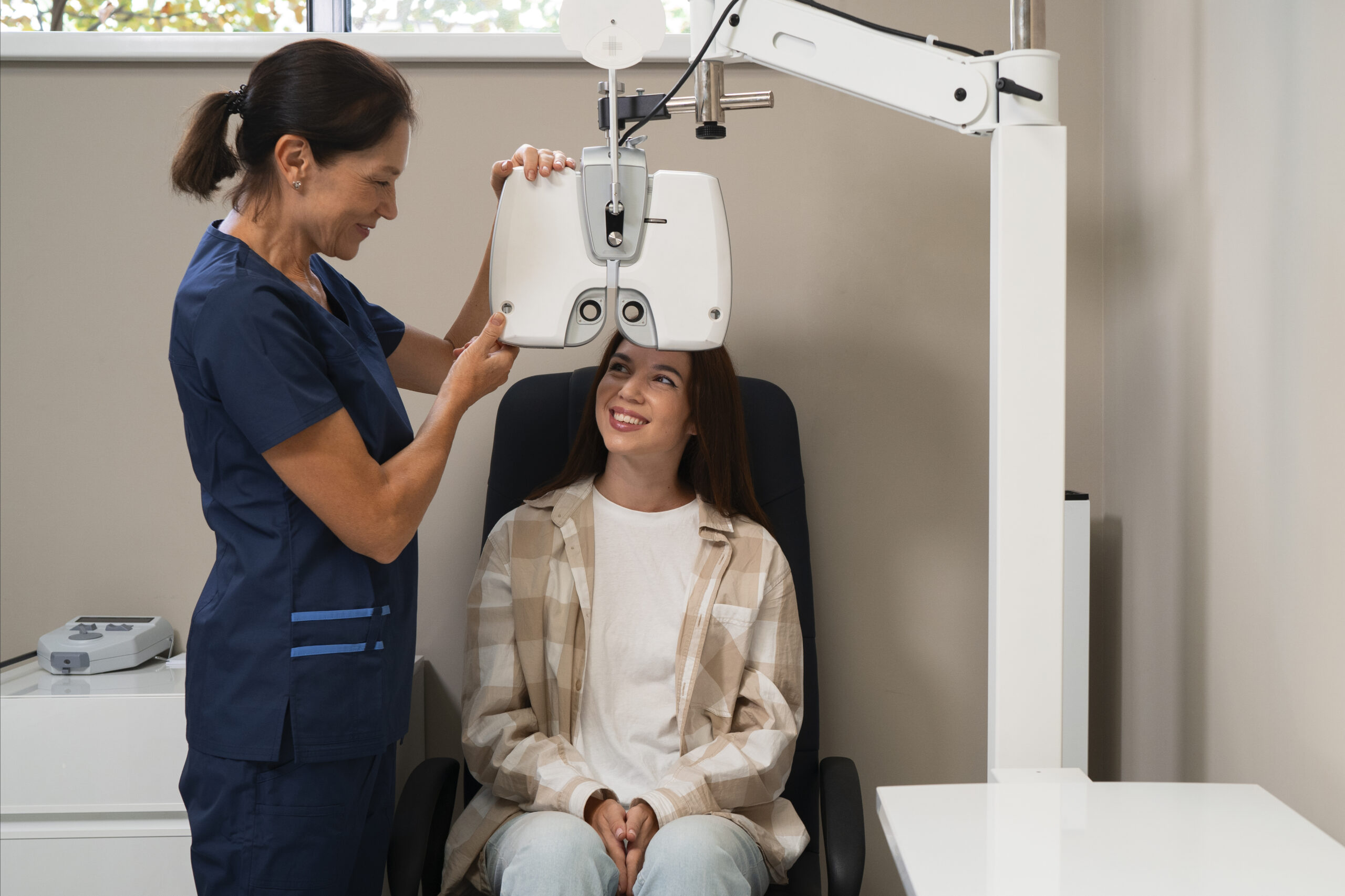
Vision correction surgery has become increasingly common in Malaysia as more people look for long-term alternatives to glasses and contact lenses. Two of the most frequently considered procedures are LASIK and ICL surgery.
Both options aim to reduce dependence on glasses or contact lenses and improve vision clarity, but they work in fundamentally different ways and are suited to different eye conditions, prescriptions, and corneal structures.
Understanding how each procedure functions, along with its benefits and limitations, is essential before making a decision.
This article explains the key differences between LASIK and ICL surgery in Malaysia, who each option is typically suitable for, and the factors that influence treatment selection.
Key Takeaways
- LASIK reshapes the cornea to correct vision
- ICL surgery involves implanting a lens inside the eye
- LASIK is generally more suitable for certain corneal conditions and moderate prescriptions
- ICL may be considered for higher prescriptions or thinner corneas
- A full eye assessment is required before deciding on suitability
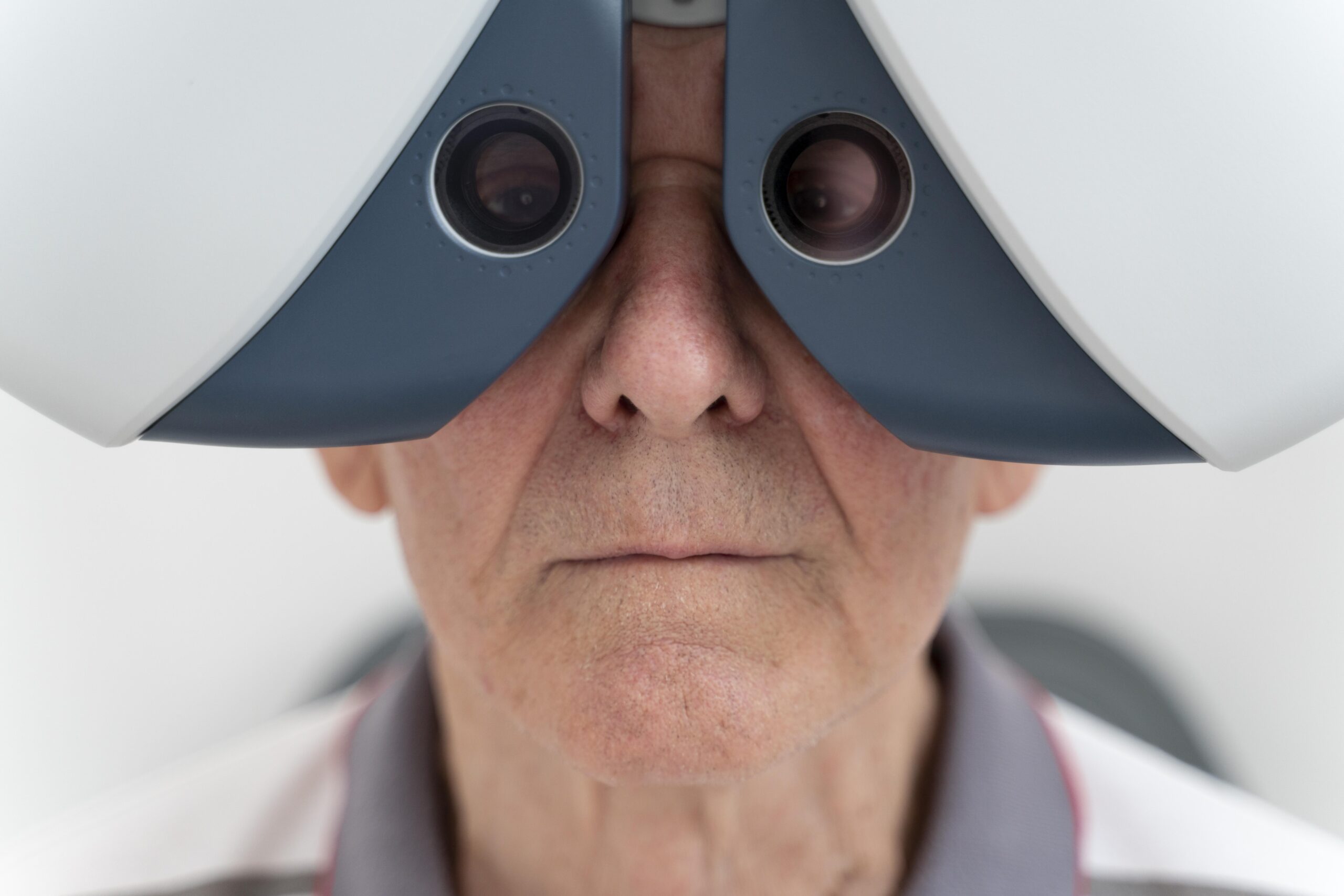
Understanding Vision Correction Surgery
Both LASIK and ICL are designed to reduce dependence on glasses or contact lenses.
However, they differ in:
- Surgical approach
- Eye structure involvement
- Recovery process
- Suitability criteria
- Long-term considerations
Choosing between them depends heavily on individual eye health and prescription levels.
What Is LASIK Surgery?
LASIK (Laser-Assisted In Situ Keratomileusis) is a laser-based procedure that reshapes the cornea to correct refractive errors.
It is commonly used to treat:
- Short-sightedness (myopia)
- Long-sightedness (hyperopia)
- Astigmatism
How LASIK Works
The procedure involves:
- Creating a thin flap on the cornea
- Using a laser to reshape underlying corneal tissue
- Repositioning the flap to heal naturally
The goal is to improve how light focuses on the retina by changing the shape of the cornea.
What Is ICL Surgery?
ICL (Implantable Collamer Lens) surgery involves placing a specially designed lens inside the eye without removing corneal tissue.
Unlike LASIK, ICL does not reshape the cornea.
Instead, it works by:
- Inserting a permanent or long-term implant lens
- Positioning it between the iris and natural lens
- Improving light focus within the eye
This method is often considered when corneal-based procedures are not ideal.
LASIK vs ICL: Key Differences
Both procedures aim to correct vision, but they differ in technique and suitability.
| Factor | LASIK | ICL Surgery |
|---|---|---|
| Procedure type | Corneal reshaping | Lens implantation |
| Corneal involvement | Yes | No |
| Reversibility | Not reversible | Potentially removable |
| Recovery time | Typically faster | Slightly longer adaptation |
| Suitable for thin cornea | Not ideal | More suitable |
| Prescription range | Moderate range | Higher range cases |
Who Is Typically Suitable for LASIK?
LASIK is commonly considered for individuals who:
- Have stable vision prescription
- Have sufficient corneal thickness
- Have no significant eye diseases
- Are within suitable refractive range
- Prefer laser-based correction
It is generally chosen by individuals seeking a well-established and widely performed laser procedure.
Who Is Typically Suitable for ICL Surgery?
ICL may be considered for individuals who:
- Have high myopia or strong prescriptions
- Have thin or irregular corneas
- Are not suitable for corneal laser surgery
- Prefer a reversible lens-based option
- Require higher optical correction range
ICL provides an alternative when LASIK is not medically appropriate.
Recovery Experience Differences
Recovery varies between procedures.
LASIK Recovery
- Vision improvement may be noticed quickly
- Initial dryness or sensitivity may occur
- Stabilisation typically occurs within days to weeks
ICL Recovery
- Vision improvement may be noticeable early
- Eye adjustment period may be slightly longer
- Follow-up monitoring is important
Individual healing response varies depending on eye condition.
Visual Outcomes and Expectations
Both LASIK and ICL aim to improve visual clarity significantly.
However, outcomes depend on:
- Prescription strength
- Eye anatomy
- Healing response
- Pre-existing conditions
- Post-operative care
No surgical procedure guarantees identical outcomes for every individual.
Safety Considerations
Both procedures are widely performed with established safety profiles when conducted under proper medical supervision.
Important considerations include:
- Comprehensive eye screening
- Corneal mapping and measurements
- Retinal health evaluation
- Dry eye assessment
- Long-term suitability analysis
A full diagnostic evaluation is required before determining eligibility.
Cost and Long-Term Value
Costs vary depending on:
- Technology used
- Clinic expertise
- Individual eye requirements
- Post-surgical care included
LASIK is often considered a one-time laser procedure, while ICL involves lens implantation, which may influence cost structure differently.
Long-term value depends on visual stability and lifestyle needs.
LASIK vs ICL: How to Decide
There is no universal “better” option.
Decision-making typically depends on:
- Corneal thickness
- Prescription level
- Eye health condition
- Lifestyle requirements
- Surgeon recommendation after assessment
Both procedures serve different patient profiles rather than competing directly.
Why Professional Assessment Is Essential
Self-assessment is not sufficient for deciding between LASIK and ICL.
A full eye evaluation typically includes:
- Corneal thickness measurement
- Refractive error testing
- Eye pressure assessment
- Retinal examination
- Tear film and dry eye evaluation
These tests determine whether a patient is suitable for laser correction or lens implantation.
Final Thoughts
LASIK and ICL surgery in Malaysia both offer effective solutions for vision correction, but they are designed for different eye conditions and patient needs.
LASIK focuses on reshaping the cornea using laser technology, while ICL involves implanting a lens inside the eye for cases where laser correction may not be suitable.
Choosing between them depends on individual eye structure, prescription level, and medical suitability determined through professional assessment.
For individuals considering vision correction, understanding these differences is the first step toward selecting a procedure that aligns with both visual goals and long-term eye health. An eye assessment with an eye doctor such as Dr. Azhar Bin Zainuddin, Consultant Ophthalmologist, can help determine whether LASIK, ICL, or another vision correction option may be more suitable.
To find out more about vision correction surgery at VISTA Eye Specialist, book a comprehensive eye assessment with us today.