

Dry eyes are one of the most commonly reported side effects after laser vision correction procedures such as LASIK and CLEAR Pro. While the condition is usually temporary, it can cause discomfort and affect visual clarity during the early healing phase.
Understanding why dry eyes occur, how long they typically last, and what factors influence recovery helps patients set realistic expectations after surgery.
Key Point
- Dry eyes after laser eye surgery are usually temporary and a normal part of the healing process
- They occur due to temporary disruption of corneal nerves involved in tear production during surgery
- The severity and duration vary depending on the type of procedure, pre-existing eye condition, and individual healing response
- Symptoms typically improve gradually over weeks to months
- Proper post-operative care and regular follow-up helps support healing and improve comfort
Why Dry Eyes Happen After Laser Eye Surgery
Laser vision correction reshapes the cornea to correct refractive errors. During the procedure, some of the tiny nerve fibres within the cornea are temporarily affected.
How This Leads to Dry Eyes
The cornea contains sensory nerves that play an important role in regulating:
- Tear production
- Blink reflex
- Eye surface moisture balance
When these nerves are temporarily disrupted:
- Signals that stimulate tear production become less effective
- Tear production may decrease temporarily
- The tear film becomes less stable, making the eye surface more prone to dryness
As a result, patients may experience dryness, irritation, or fluctuating vision during the recovery period.
Types of Procedures and Dry Eye Risk
Not all laser vision correction procedures affect the cornea in the same way.
LASIK
LASIK involves creating a corneal flap before reshaping the underlying cornea, which typically affects more surface nerves.
This may result in:
- Higher risk of temporary dry eye symptoms
- Faster initial vision recovery
- Cornea nerve regeneration takes several weeks to months
CLEAR Pro
CLEAR Pro is a flapless laser vision correction procedure that removes a small lenticule through a small corneal incision without creating a full corneal flap.
Compared with LASIK, CLEAR Pro generally:
- Has a lower likelihood of temporary dry eye symptoms
- Less disruption to corneal nerve structure
- May provide improved tear film stability during recovery
Although dry eyes can still occur after CLEAR Pro, symptoms are often milder and tend to resolve more quickly in many patients.
Each procedure affects the corneal surface differently, which influences the severity and duration of post-operative dry eye symptoms.
Common Symptoms of Dry Eyes After Laser Eye Surgery
Patients may experience:
- Burning or stinging sensation
- A gritty or “sand in the eye” feeling
- Blurred or fluctuating vision
- Increased sensitivity to light
- Eye fatigue, especially during prolonged screen use
Symptoms may vary throughout the day and may become more noticeable in dry or air-conditioned environments.
How Long Do Dry Eyes Last After Laser Eye Surgery?
Recovery timelines vary between individuals, but the following pattern is commonly observed.
Typical Recovery Phases
- First few days: Noticeable dryness, irritation or fluctuating vision
- 1–4 weeks: Gradual improvement in comfort and tear film stability
- 1–3 months: Significant reduction in dry eye symptoms for many patients
- Up to 6 months: Continued corneal nerve regeneration and tear function recovery in some individuals
Most patients experience steady improvement as corneal nerves heal and normal tear production gradually returns.
Factors That Affect Recovery Time
Several factors influence how long dry eyes last after surgery:
1. Pre-Existing Dry Eye Disease
Patients who already have dry eyes before surgery may experience:
- A Longer recovery period
- More noticeable symptoms
- A greater need for ongoing lubrication eye drops or other dry eye treatments
2. Type of Laser Procedure
As noted earlier:
- LASIK is generally associated with a higher likelihood of temporary dry eye symptoms
- CLEAR Pro typically causes less disruption to corneal nerves and may result in less dry eye symptoms
3. Environmental Conditions
Certain environments may worsen symptoms or slow recovery, including:
- Air-conditioned rooms
- Prolonged screen use
- Low-humidity environments
4. Individual healing Response
Each patient’s healing process is unique. Differences in corneal nerve regeneration and tear film recovery can influence both the severity and duration of symptoms.
How Dry Eyes Are Managed After Surgery
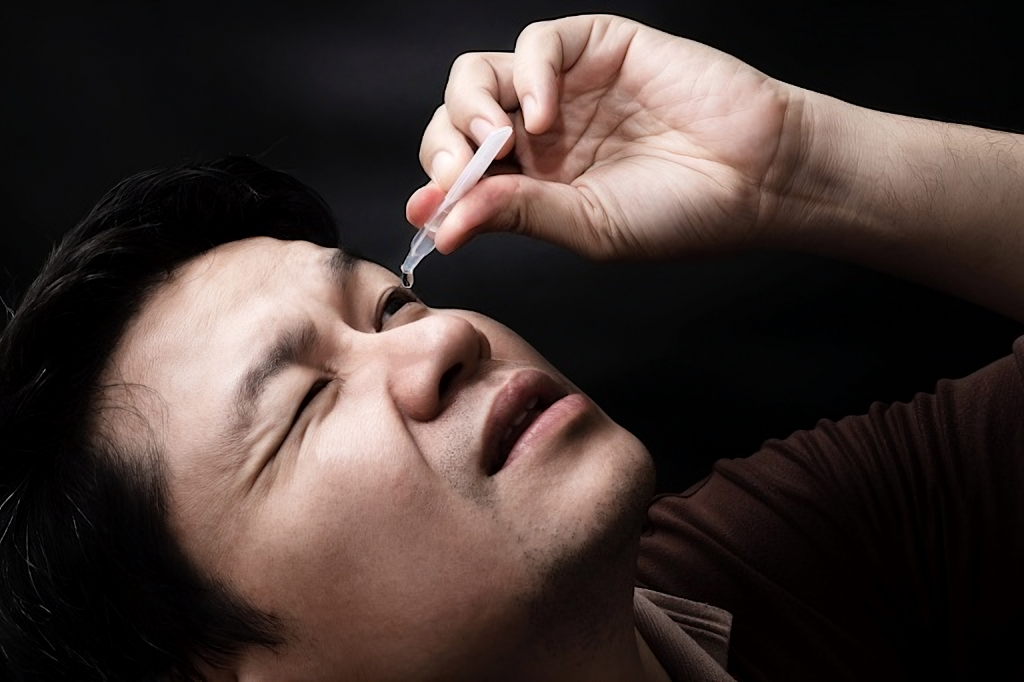
Appropriate post-operative care plays a key role in improving comfort while the eyes heal.
Common Management Methods
Treatment may include:
- Preservative-free lubricating eye drops to maintain eye surface moisture
- Anti-inflammatory eye drops when prescribed by the ophthalmologist
- Temporary use of protective eyewear in windy or dry environments
- Regular follow-up assessments to monitor healing and tear film recovery
These measures help stabilize the tear film while the cornea continue to heal.
Lifestyle Adjustments That Help Recovery
Simple daily habits can improve comfort during healing:
- Taking regular breaks during prolonged screen use
- Avoiding direct airflow from fans or air-conditioning
- Using a humidifier if indoor air is dry
- Staying well hydrated
- Using prescribed eye drops consistently as directed
These adjustments reduce strain on the eyes during the nerve regeneration phase.
When to Be Concerned
Most dry eye symptoms are usually temporary, but patients should seek medical review if:
- Symptoms worsen instead of improving over time
- Severe eye pain or persistent redness occurs
- Vision becomes progressively blurred rather than fluctuating
- There is little or no improvement after several weeks despite following treatment
These signs may indicate the need for additional treatment or further evaluation.
Long-Term Outlook
For the majority of patients:
- Dry eye symptoms gradually improve over time
- Corneal nerves continue to regenerate naturally
- Tear production and tear film stability recover
- Vision becomes clearer, more stable, and more comfortable
Permanent severe dry eye after laser surgery is uncommon, particularly when patients are carefully assessed before surgery and receive appropriate post-operative care .
Final Thoughts
Dry eyes after laser eye surgery are a common but typically temporary part of the healing process. They occur because the corneal nerves responsible for stimulating tear production are temporarily affected during surgery .
Although LASIK and CLEAR Pro may cause temporary dry eye symptoms, CLEAR Pro generally causes less disruption to the corneal nerves, and many patients experience milder symptoms during recovery. In most cases, dry eye symptoms improve steadily over the following weeks to months as the cornea heals and tear production returns to normal.
Patients considering laser vision correction or experiencing prolonged dry eye symptoms after surgery should undergo a comprehensive assessment by an ophthalmologist. At VISTA Eye Specialist, eye doctors such as Dr. Alan Koh Kok Khiang, Chief Consultant Ophthalmologist, evaluate factors including tear film quality, corneal health, lifestyle, and suitability for laser vision correction.
Through personalized pre-operative assessment, careful procedure selection, and structured post-operative follow-up, patients can better understand their dry eye risk and receive appropriate management to support a comfortable recovery and long-term visual outcomes.
If you are considering LASIK or CLEAR Pro, or are concerned about dry eye symptoms after laser eye surgery, book a comprehensive eye assessment at VISTA Eye Specialist for a personalised evaluation and professional advice.