
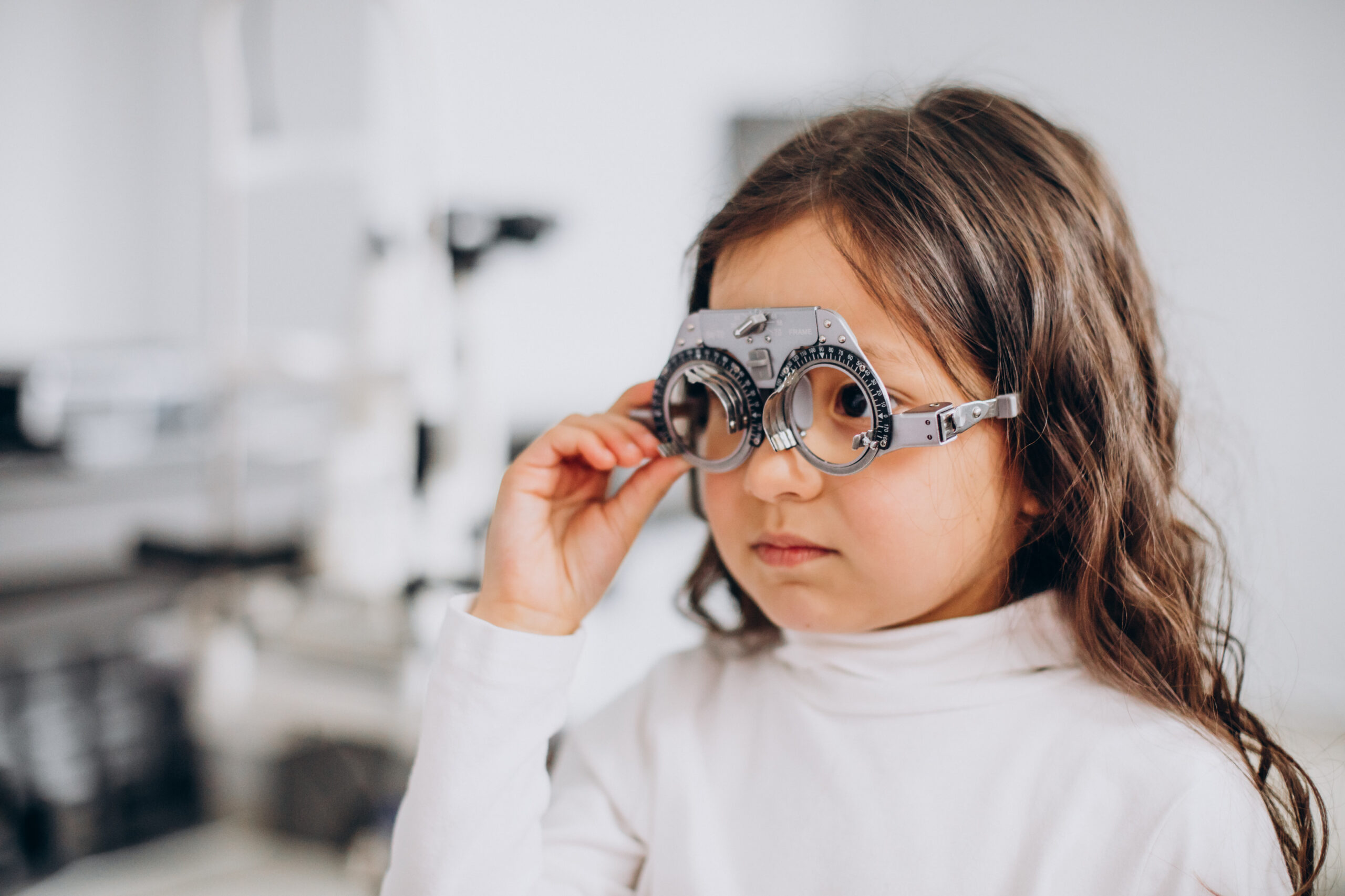
Myopia, commonly known as short-sightedness, is becoming an increasingly common vision problem among children in Malaysia and globally. In many cases, it begins at a young age and gradually worsens as the eyes continue to grow.
Without proper management, childhood myopia can progress into high myopia, which increases the risk of long-term eye complications such as retinal issues, glaucoma, and early cataracts.
Myopia control focuses on slowing down this progression through early intervention, regular monitoring, and targeted treatment strategies.
This article explains how myopia develops in children, why early intervention matters, and what modern eye clinics use to manage progression effectively.
Key Takeaways
- Myopia in children tends to worsen as the eye grows
- Early intervention can slow down progression significantly
- High myopia increases long-term eye health risks
- Regular eye checks are essential for early detection
- Modern myopia control methods are clinically supported and widely used
What Is Myopia in Children?
Myopia is a refractive error where distant objects appear blurry while near vision remains clear.
In children, this usually happens because:
- The eyeball is longer than normal
- The cornea is too curved
- Light focuses in front of the retina instead of on it
As a result, children may struggle to see the whiteboard in school or distant objects clearly.
Why Childhood Myopia Is Increasing
Myopia rates among children are rising due to modern lifestyle factors.
Common contributors include:
- Increased screen time
- Reduced outdoor activity
- Prolonged near-work activities (reading, tablets, smartphones)
- Limited exposure to natural daylight
These factors influence how the eye develops during childhood.
Early Signs of Myopia in Children
Parents often notice behavioural changes before a formal diagnosis.
Common signs include:
- Squinting to see distant objects
- Sitting very close to screens or books
- Complaining of blurry distance vision
- Frequent headaches or eye strain
- Difficulty seeing the whiteboard at school
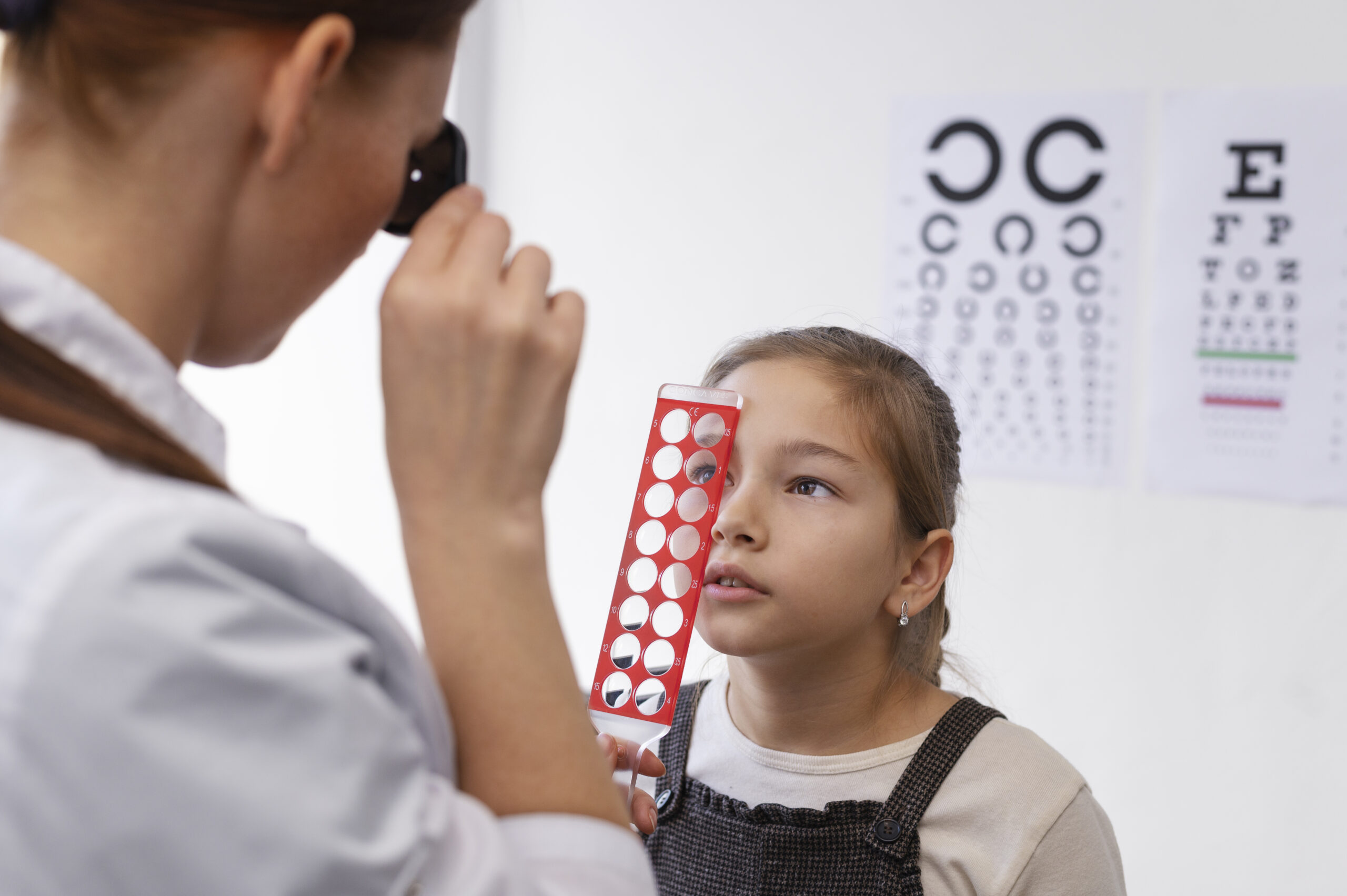
Early detection is important to allow treatment to begin before myopia progress.
Why Early Intervention Matters
Childhood myopia is progressive, meaning it tends to worsen as a child grow.
Without intervention:
- Prescription strength may increase yearly
- Risk of developing high myopia becomes higher
- Eye structure may change permanently
- Reduce of complication from high myopia
Early intervention aims to slow this progression of myopia rather than just simply correct vision.
What Is Myopia Control?
Myopia control refers to treatments designed to slow down the progression of myopia by slowing down the elongation of the eye.
Unlike standard glasses, which only correct vision, myopia control strategies focus on:
- Slowing eye growth
- Reducing rate of prescription progression
- Protecting long-term eye health
This approach is typically recommended for children diagnosed with myopia or progressive myopia.
Common Myopia Control Methods
Modern eye clinics use several evidence-based approaches depending on the child’s condition.
Myopia Control Spectacle Lenses
Specially designed lenses can help reduce myopia progression while providing clear central vision.
These lenses:
- Provide clear vision correction
- Incorporate defocus technology
- Help slow eye elongation
They are often the first step in myopia management.
Contact Lens-Based Myopia Control
Certain contact lenses are designed specifically for children.
These may include:
- Multifocal daily soft contact lenses
- Orthokeratology (Ortho-K) lenses worn overnight
Ortho-K lenses temporarily reshape the cornea during sleep, allowing clear daytime vision without glasses in some cases.
Low-Dose Atropine Eye Drops
Atropine eye drops are commonly used in myopia control programs.
They work by:
- Slowing down eye growth
- Reducing progression speed
- Supporting long-term control when used consistently
Dosage and suitability are determined by eye care professionals.
Increasing Outdoor Time
Natural light exposure plays a protective role in eye development.
Studies suggest that:
- Outdoor activity may help slow myopia progression
- Daylight exposure supports healthier eye growth patterns
- Balanced visual habits reduce strain on near vision
Children are often encouraged to spend more time outdoors daily.
Regular Eye Monitoring Is Essential
Myopia control is not a one-time treatment.
Children require regular follow-ups to:
- Track prescription changes
- Monitor eye growth
- Adjust treatment plans
- Ensure treatment effectiveness
Consistent monitoring improves long-term outcomes.
Risks of Uncontrolled Myopia
If myopia progresses into high myopia, long-term risks may increase.
These include:
- Retinal detachment risk
- Glaucoma development
- Early cataracts
- Macular degeneration
- Permanent structural changes to the eye
This is why early management is clinically important to reduce these long-term risks.
Role of Parents in Myopia Management
Parents play a key role in controlling progression.
Important actions include:
- Scheduling regular eye examinations
- Monitoring screen time habits
- Encouraging outdoor play
- Ensuring compliance with treatment plans
- Observing vision changes early
Early support can significantly influence long-term outcomes.
When to Start Myopia Control
Myopia control is typically recommended when:
- Myopia is diagnosed at a young age
- Prescription is increasing yearly
- Family history of high myopia exists
- Early signs of progression are present
Early treatment generally produces better long-term control.
Final Thoughts
Myopia in children is becoming increasingly common, but its progression can be managed effectively through early intervention and structured care.
Myopia control strategies focus not only on correcting vision but also on slowing eye growth to reduce long-term risks.
With regular eye examinations, appropriate treatment methods, and lifestyle adjustments, children with myopia can maintain healthier vision outcomes and reduce the likelihood of severe short-sightedness in adulthood.
For children with short-sightedness or worsening vision, an eye assessment with an eye doctor such as Dr. Tan Chai Lee, Consultant Ophthalmologist, can help determine the most suitable myopia control approach based on the child’s eye condition.
To find out more about myopia control at VISTA Eye Specialist, book a children’s eye assessment with us today.