
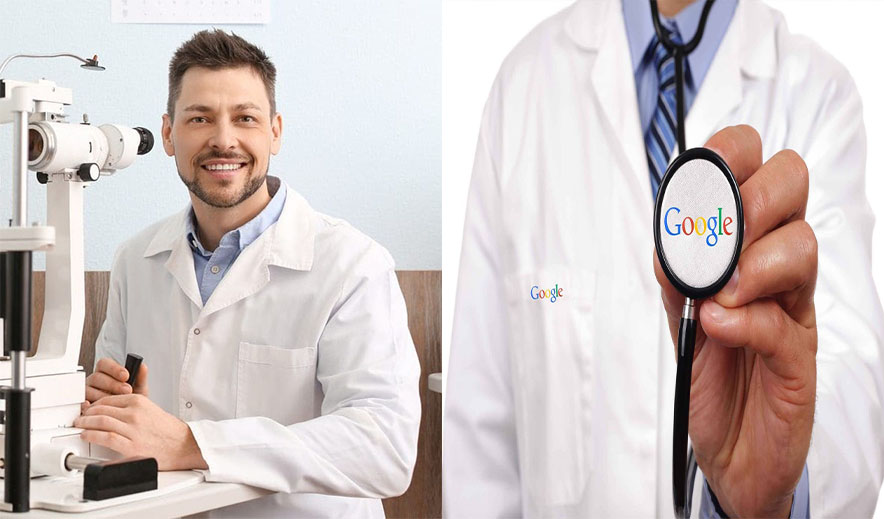
In today’s digital age, the instinct to “Google it” is almost automatic. For everyday issues, this may be harmless.
However, when it comes to your eyes, relying on search results or online forums can be dangerous. Many eye conditions share overlapping symptoms, and what seems like a minor irritation could be an early warning sign of something sight-threatening.
A delay of even a few days can mean the difference between simple treatment and permanent loss of vision.
This article highlights the hidden dangers of self-diagnosing eye problems, why online searches often mislead, and why an early consultation with an ophthalmologist in Malaysia is the safest path to protect both your sight and long-term health.
Does Dr. Google Really Know It All? How Online Searches Can Be Misleading
Reading about symptoms online can provide background knowledge, but it cannot replace a medical diagnosis. Many eye complaints overlap across different conditions, and online tools lack the context and precision required for accurate assessment.
Why online searches fall short:
- Symptom overlap
The same symptom often points to many conditions. Blurry vision, red eyes, floaters, or headaches can stem from minor issues like fatigue or from sight-threatening diseases such as glaucoma or retinal detachment.
- Generalised answers
Search algorithms and forums present one-size-fits-all explanations. They lack context about your age, medical history, medications, or other risk factors.
- Algorithms don’t replace exams
Neither AI symptom checkers nor search results can examine your retina, measure eye pressure, or assess the optic nerve. These tests require specialist equipment in a clinic setting.
- Risk of misplaced reassurance
Online advice is not prioritised by clinical urgency. A “home remedy” that may ease a minor condition could be harmful if applied to a more serious disease with similar symptoms.
The internet can help you understand medical terms and prepare questions, but it cannot detect disease or judge urgency. Eyes are complex organs that require examination, imaging, interpretation, and safe treatment options that only a trained ophthalmologist can provide.
Real Conditions Commonly Misdiagnosed Online
Many eye diseases present with symptoms that seem ordinary at first glance. This is why relying on internet searches often leads people to underestimate their condition. What looks like a harmless irritation may, in reality, be a dangerous disease requiring urgent medical attention.
Examples of common misdiagnoses include:
- “It is just dry eyes.” → Chronic blepharitis or early glaucoma
Gritty, tired eyes and fluctuating vision can signal meibomian gland disease or blepharitis. The same complaints also appear in early glaucoma, where rising eye pressure slowly damages the optic nerve without pain. Lubricants alone do not address either problem.
- “It is probably pink eye.” → Uveitis that needs urgent care
Redness, light sensitivity, and discomfort resemble conjunctivitis. If inflammation is inside the eye (uveitis), steroid therapy and systemic work-up may be required. Delayed treatment risks scarring, glaucoma, and permanent blindness.
- “It is normal ageing.” → Presbyopia hiding signs of diabetic retinopathy
Near blur in the 40s is common. However, fluctuating clarity, night vision problems, or micro-distortions can reflect macular swelling from diabetes. Reading glasses would not solve the underlying retinal disease.
- “Just a floater.” → Retinal tear or detachment
A new shower of floaters, flashes of light, or a curtain-like shadow can indicate a retinal break. This requires immediate assessment by an eye specialist. Waiting for it to “settle” risks progression to retinal detachment and the need for emergency surgery.
These examples highlight the danger of assuming the “simplest explanation” from an online search. Without getting your eyes properly examined, subtle but serious diseases can go unnoticed until it is too late. That’s why if symptoms fit several conditions, the safest approach is to visit a recommended ophthalmologist for proper diagnosis and peace of mind.
Consequences of Getting It Wrong
One of the greatest dangers of self-diagnosing eye problems with information retrieved from the web is the false sense of security it creates. The eye rarely signals danger through pain, and many progressive diseases are asymptomatic. This leads to many patients delaying treatment until vision loss is already significant.
Why delays matter:
- Loss of treatment window
Glaucoma, macular degeneration, and retinal tears may advance before vision seems different. Earlier discovery allows simpler, safer treatment.
- More complex interventions later
Problems that could have been controlled with simple eye drops, laser therapy, or minor procedures may escalate to surgery or more invasive treatment if ignored.
- Irreversible loss of eyesight
Once retinal cells or optic nerve fibres are destroyed, they do not regenerate. The window for intervention is narrow.
- Higher lifetime cost
Late care often means more visits, more medication, higher cost, and greater functional loss that affects work and independence.
In short, time lost is vision lost. Ignoring or misjudging symptoms because “Google said it’s minor” risks not only permanent sight loss but also greater financial and emotional strain. If symptoms persist beyond 24–48 hours, worsen, or appear very suddenly, clinical assessment is the most cost-effective and vision-saving choice.
What an Ophthalmologist Actually Does (That Google Cannot)
An ophthalmologist is a medical doctor who specialises in eye disease and eye surgery. The value lies in precise diagnosis, evidence-based treatment, and monitoring.
How top-rated eye care experts and surgeons conduct diagnosis:
- Comprehensive eye examination: Visual acuity, refraction, eye pressure, slit lamp evaluation, and dilated retinal exam.
- Imaging and functional tests: Optical coherence tomography (OCT) for retina and optic nerve, corneal topography, pachymetry, visual field testing, and fundus photography.
- Systemic linkage: Eye findings can tell a bigger picture of your overall health. They are correlated with diabetes, hypertension, autoimmune disease, medications, or neurological disorders.
What patients receive:
- A specific diagnosis with risk stratification
Not just “red eye,” but which structure is inflamed, why it happened, and what to do next.
- A tailored plan
Correct drops and timing, in-clinic procedures when needed, clear precautions, and a detailed post-treatment care plan.
- Follow-up and adjustment
Therapy is reviewed and refined based on measured response, not guesswork.
Diagnosis is a process, not a search result. The combination of examination, imaging, and clinical judgment is what protects sight.
When You Should See an Ophthalmologist
Eye problems can escalate quickly, and waiting to see if they resolve on their own is often risky. Unlike general discomforts, sudden or persistent changes in vision may signal serious conditions that require urgent intervention.
Below is a guide to help you recognise warning signs and take prompt action:
- Sudden blurry or distorted vision, especially in one eye
It could indicate retinal detachment, stroke-related changes, or acute macular disease.
- Persistent red or irritated eyes unresponsive to lubricants
May point to infections, inflammation, or autoimmune-related eye disease.
- Light sensitivity, halos around lights, or coloured rings
Often linked to acute angle-closure glaucoma, which is an emergency.
- New floaters, flashes of light, or a shadow/curtain in vision
Classic red flags for retinal tears or detachment, needing same-day care.
- Eye pain, headache with eye symptoms, or nausea with blurred vision
Can signal dangerously high eye pressure or neurological problems.
- Vision changes that do not improve after rest or removing contact lenses
Suggests an underlying issue that goes beyond simple fatigue or dryness.
When in doubt, treat any new or worsening vision change as urgent until proven otherwise. Consulting a qualified ophthalmologist in Kuala Lumpur or your nearest trusted centre ensures you receive the right diagnosis and treatment without delay.
Acting early not only protects your eyesight but also spares you from more complex interventions in the future.
Your Eyes Deserve More Than Online Answers: Choose the Safer Path
Online information is useful for awareness, but it is unsafe as a diagnostic tool. Vision-threatening diseases often mimic minor problems and rarely announce themselves with pain.
The safest course is simple: have a specialist examine your eyes, confirm the cause, and recommend the right treatment.
Protect your sight and schedule a consultation with a qualified ophthalmologist at VISTA Eye Specialist for a definitive diagnosis and the right care at the right time. We are located across Malaysia, including Kuala Lumpur, Selangor, Ipoh, Penang, Kuantan, and Johor.