
Cataracts are widely known for causing cloudy or blurry vision, faded colours, and reduced contrast sensitivity.
However, growing evidence suggests that the impact of untreated cataracts extends beyond the eyes. Long-term visual impairment can influence brain health and contribute to cognitive decline—a gradual reduction in mental abilities such as memory, attention, problem-solving, and decision-making, particularly in older adults.
This article examines how vision and cognition are interconnected, what recent research reveals, and why timely cataract surgery can support both visual and mental vitality.
The Brain Relies on Your Eyes More Than You Think
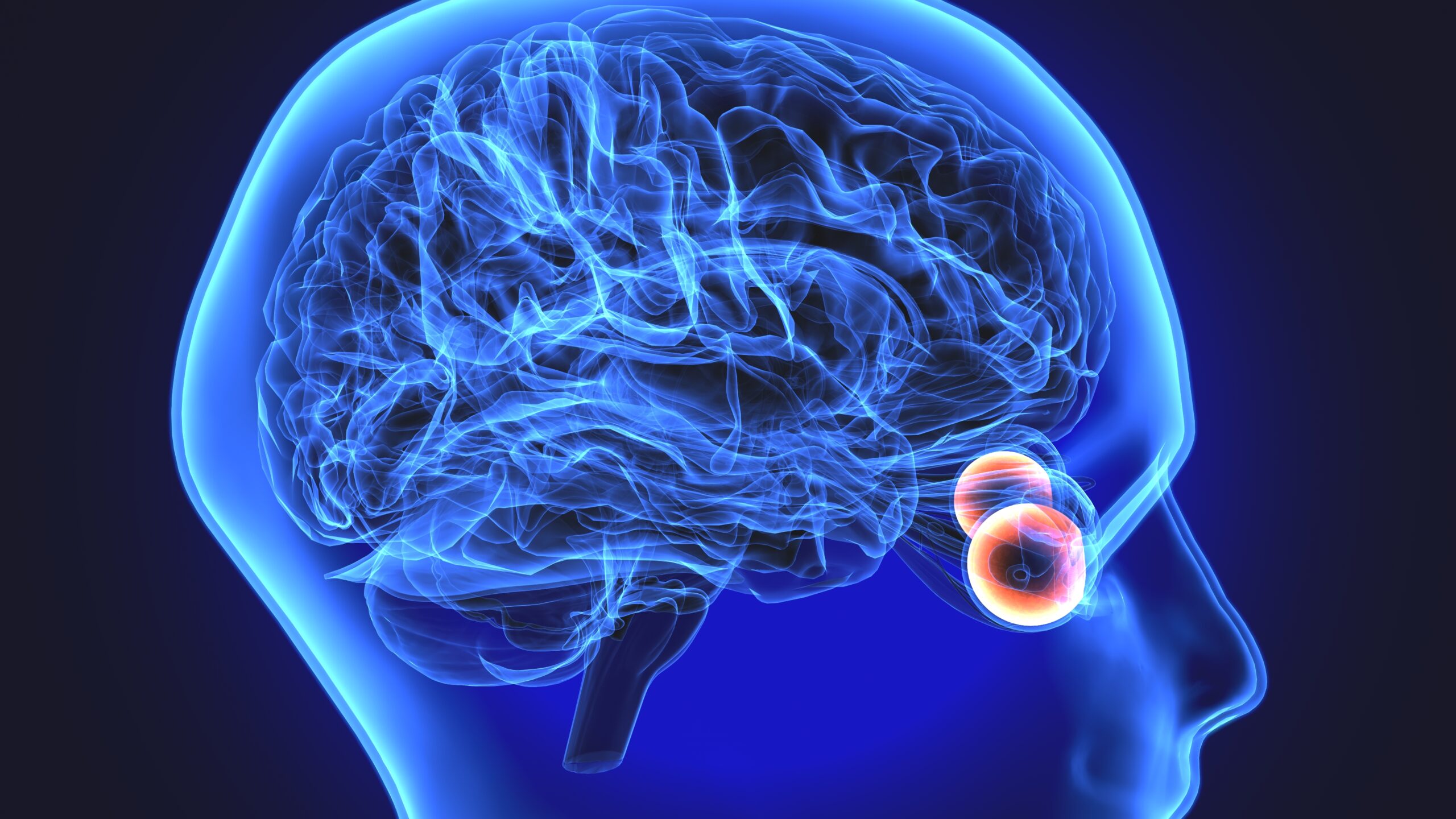
The human brain is highly dependent on visual input. Over half of its neural activity is focused on processing what we see. These are the electrical and chemical signals that brain cells and neurons use to communicate and process information. When cataracts reduce the quality of sensory input, the brain receives less accurate and less stimulating information.
This sensory deprivation has several downstream effects, such as:
- Reduced visual clarity that leads to increased mental strain, as the brain is forced to expend or use more effort to interpret blurred signals.
- Fatigue, irritability, and difficulty maintaining focus or processing new information over time.
- Disruption to other cognitive functions (e.g., memory and executive processing) caused by continuous compensation for poor vision.
Untreated cataracts place an unnecessary cognitive load (mental effort required to process information) on the brain. Restoring visual clarity can relieve this burden, re-engage the neural pathways dedicated to sight, and support overall mental sharpness.
What Research Says About Cataracts and Cognitive Decline
Emerging scientific studies provide important insights into the link between untreated vision loss and brain health. A key study found that older adults who underwent cataract surgery had a significantly lower risk of developing dementia (a group of conditions that cause problems with memory, thinking, and daily functioning) compared to those who delayed or avoided treatment (Lee et al., 2021).
Researchers suggest several mechanisms behind this association:
- Visual impairment can lead to social withdrawal, depression, and reduced cognitive stimulation, all of which accelerate cognitive ageing—the natural decline in memory, attention, and problem-solving that occurs with age (Nagarajan et al., 2022).
- Poor vision contributes to a higher risk of falls and reduced mobility, further limiting mental engagement and independence.
- The effect is not caused directly by the cataract itself but by the life-limiting impact of uncorrected vision loss.
These findings highlight that untreated cataracts are more than just an eye health concern. They can also significantly affect a person’s emotional and cognitive well-being.
Early Signs That Vision Loss Is Affecting Brain Function
It is important to recognise when vision impairment begins to affect cognitive health. Subtle changes often appear before a formal diagnosis of cognitive decline.
Here are some early indicators that you should be aware of:
- Reduced social interaction caused by difficulty reading, recognising faces, or engaging in conversations.
- Complaints of “mental fog,” slowed thinking, or memory lapses unrelated to fatigue or illness.
- Withdrawal from hobbies or group activities due to difficulty seeing.
- Challenges with multitasking, depth perception, or navigating even familiar environments.
Awareness is the first step to seeking proper eye care and protecting both sight and brain health, as these warning signs are more than mere inconveniences. They reflect the interconnectedness of sensory and cognitive health, where reduced sensory input can negatively affect emotional well-being.
Recognising them early, whether in yourself or someone close to you, matters because it allows timely intervention before the effects escalate. Addressing vision loss promptly can help preserve social engagement, maintain mental stimulation, and prevent the cascade of isolation, depression, and cognitive decline that untreated visual impairment can trigger.
How Cataract Surgery Can Help Restore More Than Sight
Cataract surgery involves removing the clouded natural lens of the eye and replacing it with a clear artificial intraocular lens (IOL). Modern techniques often use laser eye surgery for cataracts, in which a femtosecond laser assists in creating precise incisions and softening the cataract for easier removal.
This procedure allows for greater accuracy, faster healing, and more predictable visual outcomes compared to traditional methods. Beyond restoring sight, clearer visual input reactivates the brain’s visual processing areas, which can improve mood, focus, and overall cognitive health.
Benefits documented in patient outcomes include:
- Greater Alertness and Focus
By restoring clear vision, the brain processes information more efficiently, reducing mental fatigue and improving alertness. Patients report feeling sharper, more focused, and less strained in their daily activities (Błachnio et al., 2024).
- Enhanced Social Engagement
Cataract surgery patients reported better interaction with their surroundings and a greater sense of acceptance of their vision and overall health (Zhao et al., 2025). These improvements lead to renewed confidence in daily activities, such as reading, moving independently, and recognising faces, which helps patients reconnect socially and re-engage with community life.
- Improved Mobility
Cataract surgery significantly lowers the risk of falls. One study observed a reduction from 37% before surgery to just 7% afterwards (Brannan, 2003). Restoring clear vision enhances mobility and confidence, which in turn supports greater independence and reduces the physical and emotional demands placed on caregivers.
These improvements contribute to the overall quality of life. While surgery is not a direct cognitive treatment, its role in maintaining sensory input and reducing social isolation is an important factor in healthy ageing.
Who Should Consider Cataract Screening Sooner?
Routine cataract screening is usually recommended for adults over 60. However, some individuals should consider earlier evaluation and timely treatment.
Higher risk groups include:
- Adults with a family history of dementia or age-related cognitive decline.
- Seniors experiencing mood or behaviour changes along with worsening vision.
- Individuals delaying treatment due to fear, misinformation, or cost concerns.
- Older adults who have experienced significant lifestyle changes, falls, or noticeable mental “slowing” that coincides with declining eyesight.
Scheduling an early assessment allows for timely lens replacement operation (cataract surgery), lowers the risk of complications and supports better outcomes for both visual and overall mental health.
Protecting Both Sight and Mind
Cataracts are a natural part of ageing, but they do not have to compromise your vision or your cognitive vitality. Left untreated, visual impairment can reduce mental stimulation, limit independence, and overall well-being.
Timely cataract surgery not only restores sight but can also support healthier brain function, a brighter mood, and stronger social engagement.
Schedule a cataract screening with VISTA today, or reach out to us to learn more about our cataract surgery promotions or discounted treatment packages.
Take a proactive step now to safeguard both your eyesight and your mental health.
References
Błachnio, K., Dusińska, A., Szymonik, J., Juzwiszyn, J., Bestecka, M., & Chabowski, M. (2024). Quality of Life after Cataract Surgery. Journal of Clinical Medicine, 13(17), 5209. https://doi.org/10.3390/jcm13175209
Brannan, S. (2003). A prospective study of the rate of falls before and after cataract surgery. British Journal of Ophthalmology, 87(5), 560–562. https://doi.org/10.1136/bjo.87.5.560
Lee, C. S., Gibbons, L. E., Lee, A. Y., Yanagihara, R. T., Blazes, M. S., Lee, M. L., McCurry, S. M., Bowen, J. D., McCormick, W. C., Crane, P. K., & Larson, E. B. (2021). Association between cataract extraction and development of dementia. JAMA Internal Medicine, 182(2), 134. https://doi.org/10.1001/jamainternmed.2021.6990
Nagarajan, N., Assi, L., Varadaraj, V., Motaghi, M., Sun, Y., Couser, E., Ehrlich, J. R., Whitson, H., & Swenor, B. K. (2022). Vision impairment and cognitive decline among older adults: a systematic review. BMJ Open, 12(1), e047929. https://doi.org/10.1136/bmjopen-2020-047929
Zhao, C., Li, X., Deng, B., Shui, B., Zhou, L., & Wu, Z. (2025). Postoperative evaluation of visual and cognitive functions following cataract surgery in patients with age-related cataracts: a prospective longitudinal study. Frontiers in Neuroscience, 18. https://doi.org/10.3389/fnins.2024.1505585