
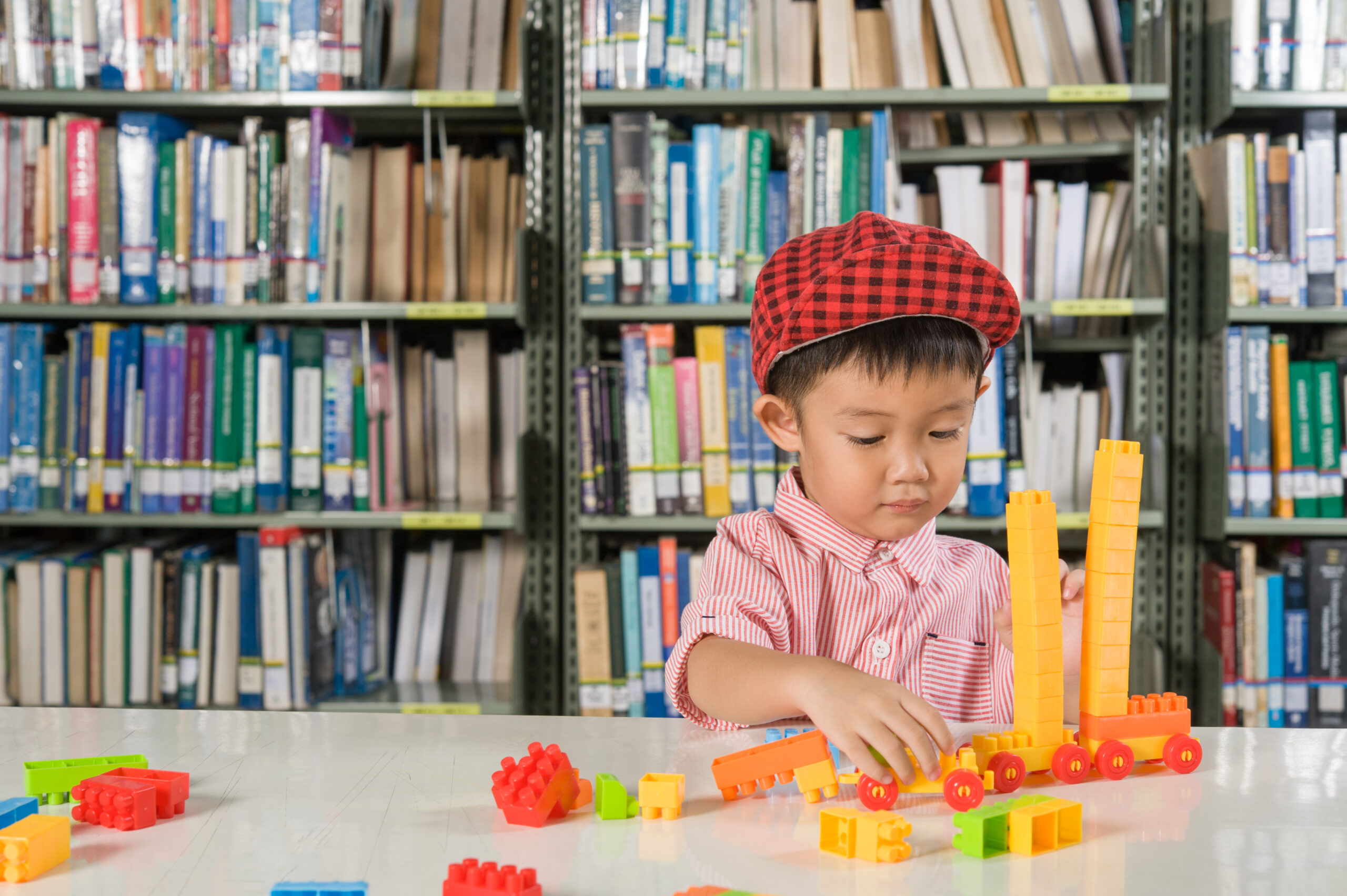
When parents think about protecting their child’s eyesight, the usual advice comes to mind. Do these sound familiar?
- Limit screen time
- Schedule regular paediatric eye care (e.g., eye check-ups)
- Encourage outdoor play
While these steps are essential to protect their eyes, one important element is often overlooked—the very space where a child spends much of their time learning and playing.
A playroom that is poorly lit, overly cluttered, or designed without visual needs in mind can unintentionally strain a child’s eyes. Conversely, a well-thought-out environment can support healthy visual development, reducing the risk of problems like eye strain, poor focusing, or even early myopia.
This article outlines simple but impactful changes parents can make to ensure their child’s playroom is vision-friendly.
While regular eye screenings are important, parents should remember that a child’s visual development is shaped daily at home, not only in the clinic. Attention to the playroom environment is just as valuable as professional eye care and surgery in ensuring healthy long-term outcomes.
Lighting Quality: Not Too Dim, Not Too Harsh
Lighting sets the foundation for how children use their eyes indoors. Poor lighting, either too dim or excessively bright, forces the eyes to work harder. This can cause strain, headaches, or difficulty focusing on toys and books.
What to fix:
- Avoid harsh overhead LEDs that create glare and shadows.
- Use warm, diffused lighting and supplement with desk lamps in reading or craft zones.
- Maximise natural light during the day by opening curtains and placing play areas near windows.
Good lighting not only makes it easier for children to engage with activities but also encourages proper posture, as they won’t need to lean forward or squint to see clearly.
Play Distance Matters: Give Eyes a Reason to Look Far
Most indoor play naturally happens at arm’s length, such as puzzles, colouring, or building blocks. While valuable, this reinforces near-vision habits and doesn’t challenge the eyes to focus at different distances. Over time, the lack of distance play (far-vision activities) can contribute to myopia progression.
What to fix:
- Add wall charts, posters, or colourful artwork across the room to encourage children to look up and focus farther away.
- Introduce games that require shifting focus, such as “I Spy” (a simple children’s observation and guessing game that helps train attention, focus, and visual skills) across the room.
- Install small activity stations like a mini basketball hoop or ball toss corner to engage distance vision naturally.
By varying focal distances, you give your child’s eyes the exercise they need for healthier, more balanced visual development.
Eye-Tracking and Coordination Toys
Healthy vision is more than just seeing clearly. It also relies on eye movement skills.
Tracking, focusing, and depth perception are key to learning, reading, and overall coordination. The right toys can stimulate these abilities and help build stronger visual pathways in the brain.
What to include:
- Toys with moving parts, such as marble runs, kinetic mobiles, or track sets.
- Shape sorters, building blocks, and puzzles that promote hand-eye coordination.
- Interactive games that involve following moving objects or shifting focus across space.
Children who play with these types of activities are also strengthening pre-reading skills like scanning lines of text and tracking smoothly across a page.
Reading and Craft Setup: The Importance of Posture and Angles
Improper posture during reading, drawing, or crafting can create unnecessary eye strain. Many children tend to lie on the floor, hunch over tables, or hold books too close to their faces. Over time, these habits may lead to poor visual behaviours and fatigue.
What to fix:
- Provide child-sized tables and chairs to encourage upright posture with eyes at a comfortable level.
- Use book stands or clipboards to tilt books at a 30–45° angle. This can reduce neck strain and support a healthier viewing distance.
- Ensure reading corners are well-lit with minimal glare or shadows.
A well-organised activity area supports not only vision, but also concentration, comfort, and sustained engagement. Encouraging proper posture and reducing unnecessary strain helps children stay engaged and enjoy their tasks for longer.
Visual Clutter and Colour Overload
A playroom that is visually overwhelming can fatigue the eyes and reduce focus. Bright colours are stimulating and useful in moderation, but excessive patterns, crowded shelves, and overly busy space designs can make it harder for children to concentrate on a single activity.
What to fix:
- Choose calm (pale blue, soft mint green, lavender) or neutral (soft beige, light grey, warm white) colour palettes for walls and storage units.
- Rotate toys regularly instead of displaying everything at once to reduce visual overwhelm.
- Avoid highly patterned carpets or wallpapers that make it difficult for children to visually filter their surroundings.
Minimising clutter helps children focus better on the task and creates a calmer, more restful environment for both their eyes and minds.
Natural Breaks and Space for Outdoor Balance
Even the best-designed indoor playroom cannot replace outdoor time. Exposure to natural sunlight and distance viewing is critical in slowing myopia progression and supporting overall eye health.
What to try:
- Set up play corners near windows to naturally draw a child’s gaze outdoors.
- Use reminders or simple charts to encourage stepping outside daily.
- Balance indoor play with outdoor activities such as cycling, ball games, or nature walks.
Outdoor exposure provides the light intensity and distance vision stimulation that indoor environments simply cannot replicate, making it a key part of well-rounded visual development. In fact, studies show that children who spend at least two hours outdoors each day have a lower risk of developing myopia (Xiong et al., 2017).
Helping Your Child See and Learn Better Every Day
Creating a vision-friendly playroom does not require a complete remodel. Small, thoughtful adjustments in lighting, posture, activity choices, and visual balance can make a big difference in supporting your child’s eye health.
By designing the playroom with healthy vision in mind, you are giving your child an environment that encourages not only play and learning, but also lifelong visual wellness.
👉 Book a paediatric eye assessment today to keep your child’s vision on the right track. Reach out to VISTA to learn more about our tailored eye care packages designed to help families monitor and protect their children’s eyesight.
References
Xiong, S., Sankaridurg, P., Naduvilath, T., Zang, J., Zou, H., Zhu, J., Lv, M., He, X., & Xu, X. (2017b). Time spent in outdoor activities in relation to myopia prevention and control: a meta‐analysis and systematic review. Acta Ophthalmologica, 95(6), 551–566. https://doi.org/10.1111/aos.13403