
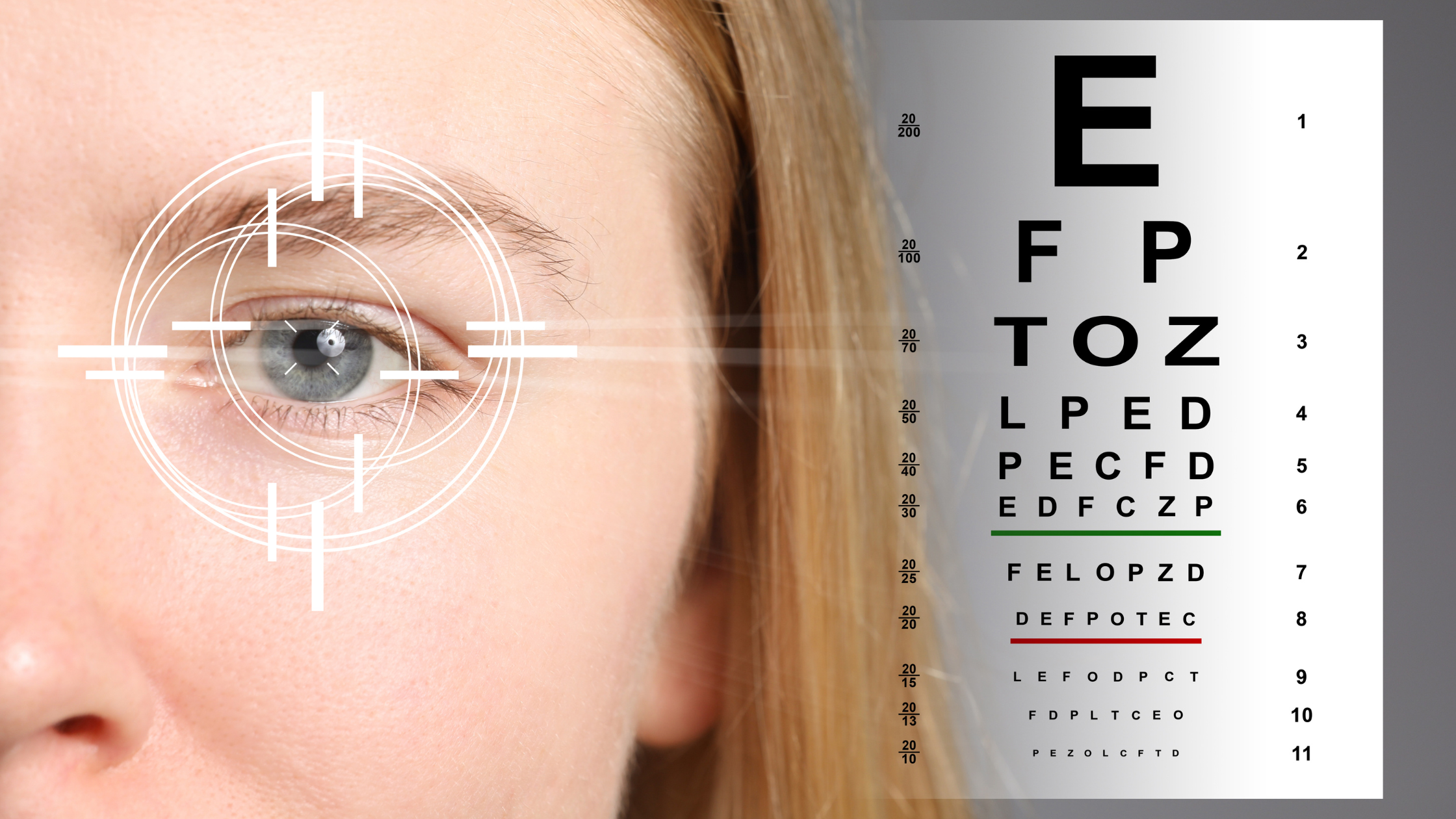
When considering vision correction surgery, two of the most commonly discussed options are ICL (Implantable Collamer Lens) and LASIK (Laser-Assisted In Situ Keratomileusis). Both procedures aim to reduce or eliminate the need for glasses and contact lenses, but their costs, suitability, and long-term benefits can differ significantly. Understanding these differences is essential for patients evaluating their options and ensuring the investment aligns with their vision and lifestyle needs.
Key Takeaways
- ICL and LASIK are both popular vision correction procedures but differ in method, technology, and cost.
- LASIK reshapes the cornea with a laser, while ICL involves implanting a lens inside the eye.
- ICL generally costs more due to the implantable lens, surgical precision, and suitability for higher prescriptions.
- The total cost of each procedure typically includes pre-operative assessments, surgery, and follow-up care.
- Cost alone should not determine the choice; suitability, visual outcomes , and lifestyle benefits matter are equally important
Understanding LASIK
LASIK is a laser-based procedure that reshapes the cornea to correct refractive errors such as myopia, hyperopia, and astigmatism.
Typical characteristics:
- Outpatient procedure, usually completed under 30 minutes for both eyes
- Fast recovery, with most patients resuming normal activities within a few days
- Suitable for patients with stable vision and sufficient corneal thickness
- Lower overall cost compared to ICL, as no implantable lens is required
- Provides excellent results for mild to moderate prescriptions, with high success rates
LASIK remains one of the most widely performed vision correction procedures worldwide due to its speed, minimal discomfort, and predictable outcomes. However, its suitability is limited for individuals with high prescriptions, thin corneas, or irregular corneal shapes.
Understanding ICL
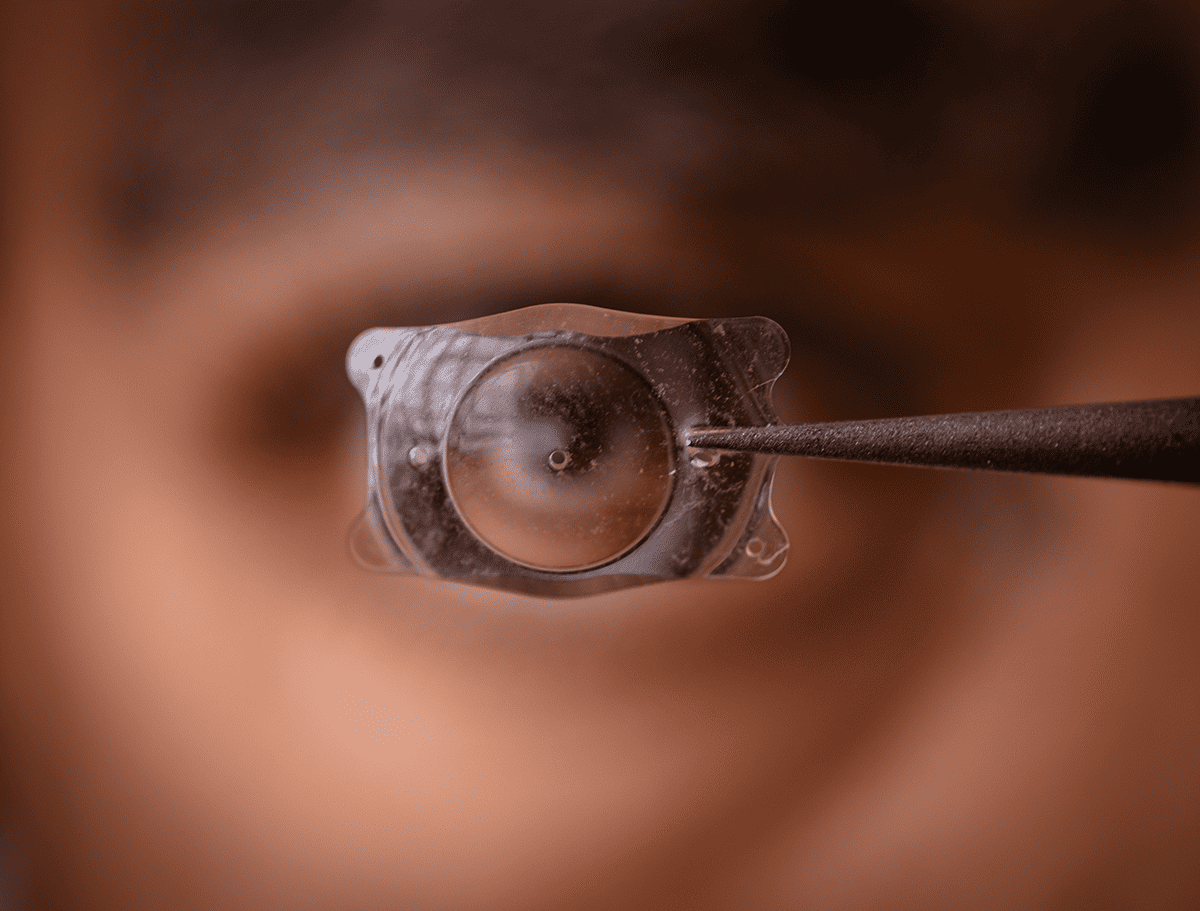
ICL involves implanting a biocompatible lens inside the eye, positioned between the natural lens and iris.
Key points:
- Minimally invasive procedure performed through a small corneal incision
- Suitable for patients with high prescriptions or thin corneas who may not be candidates for LASIK
- The lens can be removed or replaced if necessary, offering a degree of reversibility
- Generally more expensive due to lens cost, specialised surgery, and pre-operative assessments
- Often provides high-quality vision, with some patients reporting better performance in low-light conditions
Unlike LASIK, ICL does not remove corneal tissue, This makes it a suitable option for patients whose eyes may not tolerate permanent corneal reshaping. It is particularly beneficial for individuals with moderate to high myopia, where LASIK may not be as safe or effective
Typical Cost Comparison
While prices vary across clinics and patient needs, general ranges in Malaysia are:
Procedure | Approximate Cost (MYR) | Key Cost Factors |
LASIK | 6,000 – 12,000 per eye | Laser technology, pre-op assessments, post-op care |
ICL | 18,000 – 30,000 per eye | Implantable lens, surgeon expertise, diagnostic tests, diagnostic care, follow-up care |
It is important to note that these costs may not always include additional fees such as advanced diagnostic imaging, medications, or extended follow-up care. Clinics with newer technology or highly experienced surgeons may also charge at the higher end of the range.
What Drives the Cost Differences?
- Technology and Equipment
- LASIK relies on advanced laser systems to reshape the cornea.
- ICL requires a custom-sized implantable lens and precise intraocular placement, increasing both material and surgical costs.
- Suitability and Complexity
- LASIK is generally more affordable but not suitable for all patients, particularly those with high myopia or thin corneas.
- ICL accommodates a wider range of prescriptions, which contributes to the higher cost.
Pre- and Post-Operative Care
Both procedures involve detailed assessments, and follow-ups, but ICL requires more extensive measurements, accurate lens sizing and positioning.
- Follow-up care for ICL may also be closely monitored to ensure the proper lens positioning and the intraocular pressure remains stable.
- Long-Term Value
- LASIK permanently reshapes the cornea; and some patients may require enhancement procedures d over time.
- ICL offers flexibility, as the lens can be removed or exhange if needed, potentially reducing certain long-term limitations.
- Patients with high prescriptions may also experience fewer issues with glare or halos with ICL compared to LASIK, although outcomes vary individually.
Is the Higher Cost of ICL Justified?
The value of ICL depends on patient-specific factors:
- High Prescription Needs: Patients with moderate to high myopia or astigmatism may achieve better outcomes with ICL.
- Corneal Thickness: Thin corneas may not be suitable for LASIK, making ICL a safer alternative.
- Lifestyle and Vision Quality: Individuals with demanding visual needs may benefit from ICL’s lens-based approach.
- Long-Term Investment: When considering the cumulative cost of glasses, contacts lenses, and potential LASIK enhancements, ICL may represent a reasonable long-term option.
Additionally, ICL preserves corneal tissue, it may reduce the likelihood of certain side effects such as dry eye symptoms in some patients, although this varies between individuals.
Final Thoughts
ICL and LASIK each offer distinct advantages depending on vision needs, eye anatomy, and lifestyle. While LASIK is generally more affordable for mild to moderate prescriptions, ICL provides a premium solution for patients with higher prescriptions or corneal limitations.
Patients should evaluate:
- The degree of refractive error
- Eye health and corneal thickness
- Lifestyle requirements and visual demands
- Long-term value versus upfront cost
Ultimately, the choice between ICL and LASIK should balance cost with safety, suitability, and expected vision outcomes. Consulting an experienced ophthalmologist or eye specialist is essential for making an informed decision.